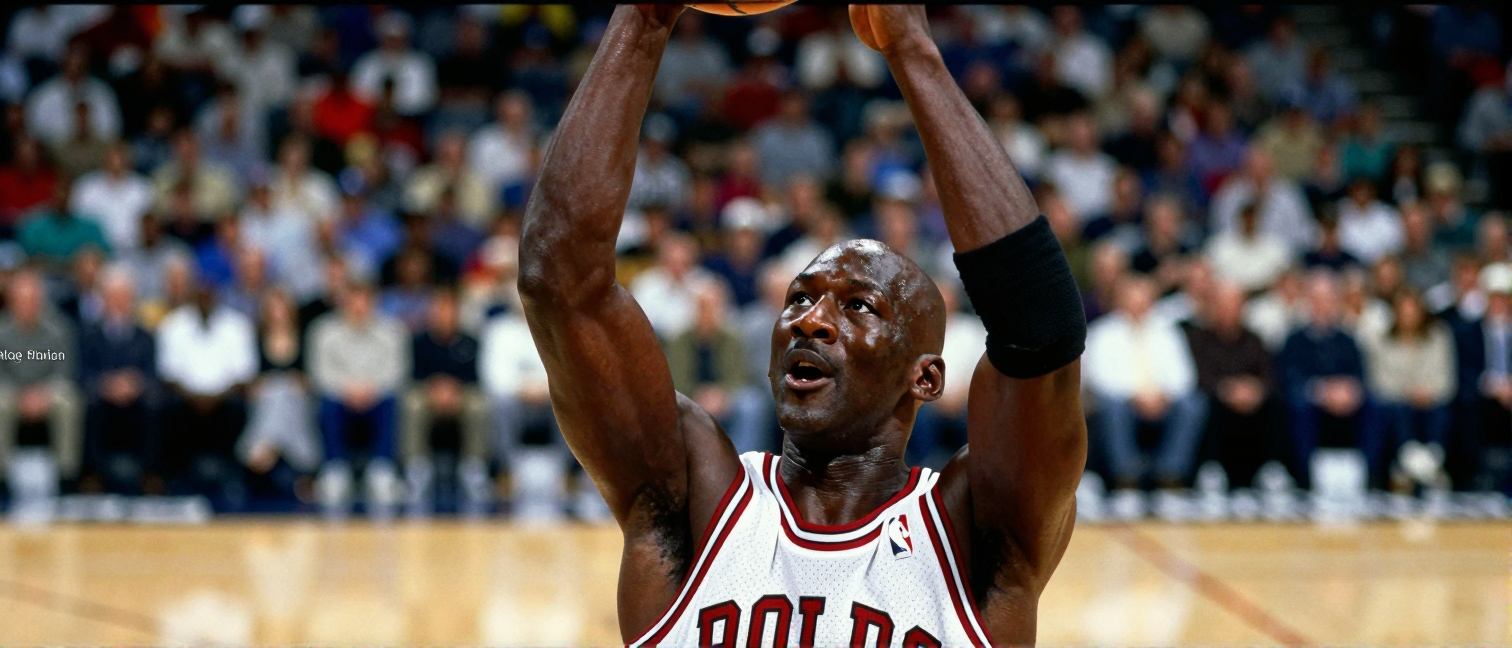
Michael Jordan slammed a controversial contract clause on 9 Jul 2026, telling today’s NBA stars to steer clear of language that could lock them into unfavorable deals.
What did Jordan say?
In a candid interview released on 9 Jul 2026, the former Chicago Bulls legend warned players that a clause allowing teams to unilaterally adjust salaries after a certain number of games is a dangerous precedent. He argued the provision erodes bargaining power and could trap athletes in low‑pay contracts despite strong performance.
Why is the clause gaining traction?
Team executives have begun inserting “performance‑adjustment” language into rookie and veteran deals, hoping to hedge against injuries or sudden dips in form. The clause typically triggers a salary cut of up to 15 % after the 30th game if a player’s efficiency rating falls below a preset threshold. Advocates claim it protects franchises, but Jordan believes it undermines the competitive balance the league strives for.
How does this compare to past NBA contracts?
During the 1990s, Jordan’s own contracts featured fixed salaries with modest escalators tied to playoff appearances. No team could retroactively alter his pay mid‑season. The modern approach, Jordan noted, mirrors trends in other major sports where owners push for more flexible financial terms, often at the expense of player security.
What impact could this have on players?
If adopted league‑wide, the clause could force star guards like Luka Dončić or Jayson Tatum to renegotiate terms mid‑year, potentially lowering their market value. Younger players on rookie deals might find themselves on reduced contracts before proving their worth, limiting earnings during their most productive years.
What are players and agents doing?
Agents for several high‑profile athletes have already voiced concerns, urging the NBA Players Association to negotiate a collective‑bargaining exemption. The union’s legal team is reportedly drafting language to ban any clause that permits unilateral salary adjustments without player consent.
What comes next?
Jordan’s remarks have sparked debate on social media, with former teammates and current stars weighing in. Some argue the clause could help teams manage cap space more efficiently, while others echo Jordan’s warning that it threatens the league’s competitive integrity. The NBA’s front office has not yet responded publicly, but a meeting between owners and the players’ union is slated for later this month.
How does this fit Jordan’s legacy?
Beyond his on‑court greatness, Jordan has long been a vocal advocate for player rights, from his role in the 1992 Dream Team’s brand deals to his ownership stake in the Charlotte Hornets. This latest stance reinforces his reputation as a guardian of athlete autonomy, reminding the league that even legends keep an eye on today’s evolving business landscape.